
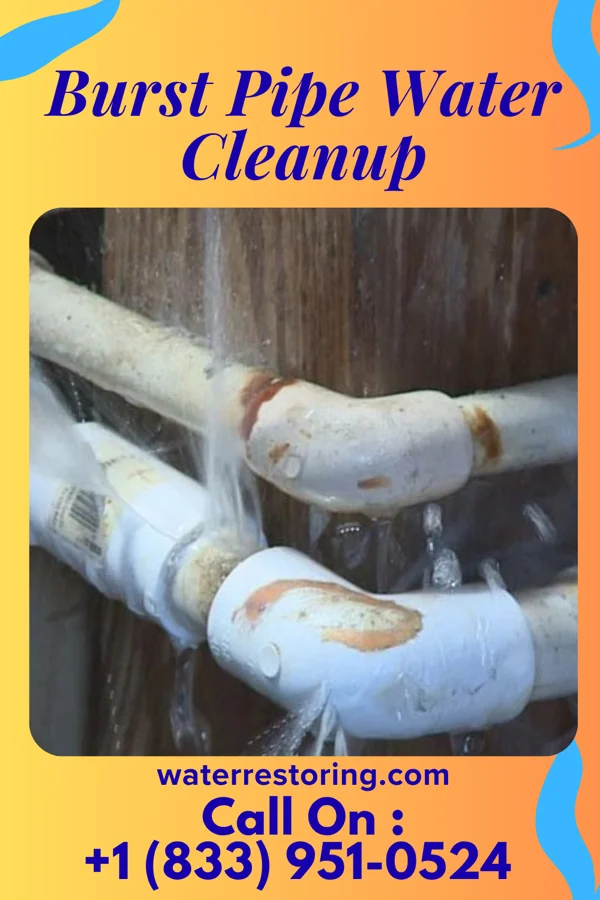
Why Burst Pipes Hit Merchantville Hard
The pattern in Merchantville is consistent. Merchantville, located in Camden County, has a mix of older and newer residential properties, some of which may have outdated plumbing systems. The proximity to the Golden Triangle and major commercial areas like Cherry Hill Mall increases the likelihood of water damage from burst pipes due to higher foot traffic and potential overuse of water systems. drives most of the emergency restoration calls we get. A close second is The city's proximity to Westmont and its suburban layout means that homes are often built on older infrastructure, which can be prone to pipe corrosion and leaks. Additionally, the area's seasonal weather patterns can cause fluctuations in water pressure, increasing the risk of pipe bursts during extreme temperature changes..
The climate in Merchantville, New Jersey, plays a significant role in pipe integrity and water damage risk. Cold winters and hot summers create conditions that can stress plumbing systems, making burst pipes a frequent concern for residents and businesses.
The climate in Merchantville, New Jersey, plays a significant role in pipe integrity and water damage risk. Cold winters and hot summers create conditions that can stress plumbing systems, making burst pipes a frequent concern for residents and businesses. The dominant local driver is Merchantville, located in Camden County, has a mix of older and newer residential properties, some of which may have outdated plumbing systems. The proximity to the Golden Triangle and major commercial areas like Cherry Hill Mall increases the likelihood of water damage from burst pipes due to higher foot traffic and potential overuse of water systems., with The city's proximity to Westmont and its suburban layout means that homes are often built on older infrastructure, which can be prone to pipe corrosion and leaks. Additionally, the area's seasonal weather patterns can cause fluctuations in water pressure, increasing the risk of pipe bursts during extreme temperature changes. showing up as the next most common cause. Damage builds in stages. Spread. Absorption. Microbial growth. Structural compromise. Every stage you pass through adds to the final bill.
For public guidance on the health effects of mold after prolonged water exposure, see the EPA mold and health page.